

Stress, Cortisol & Pilates
What’s Actually Happening in Your Body
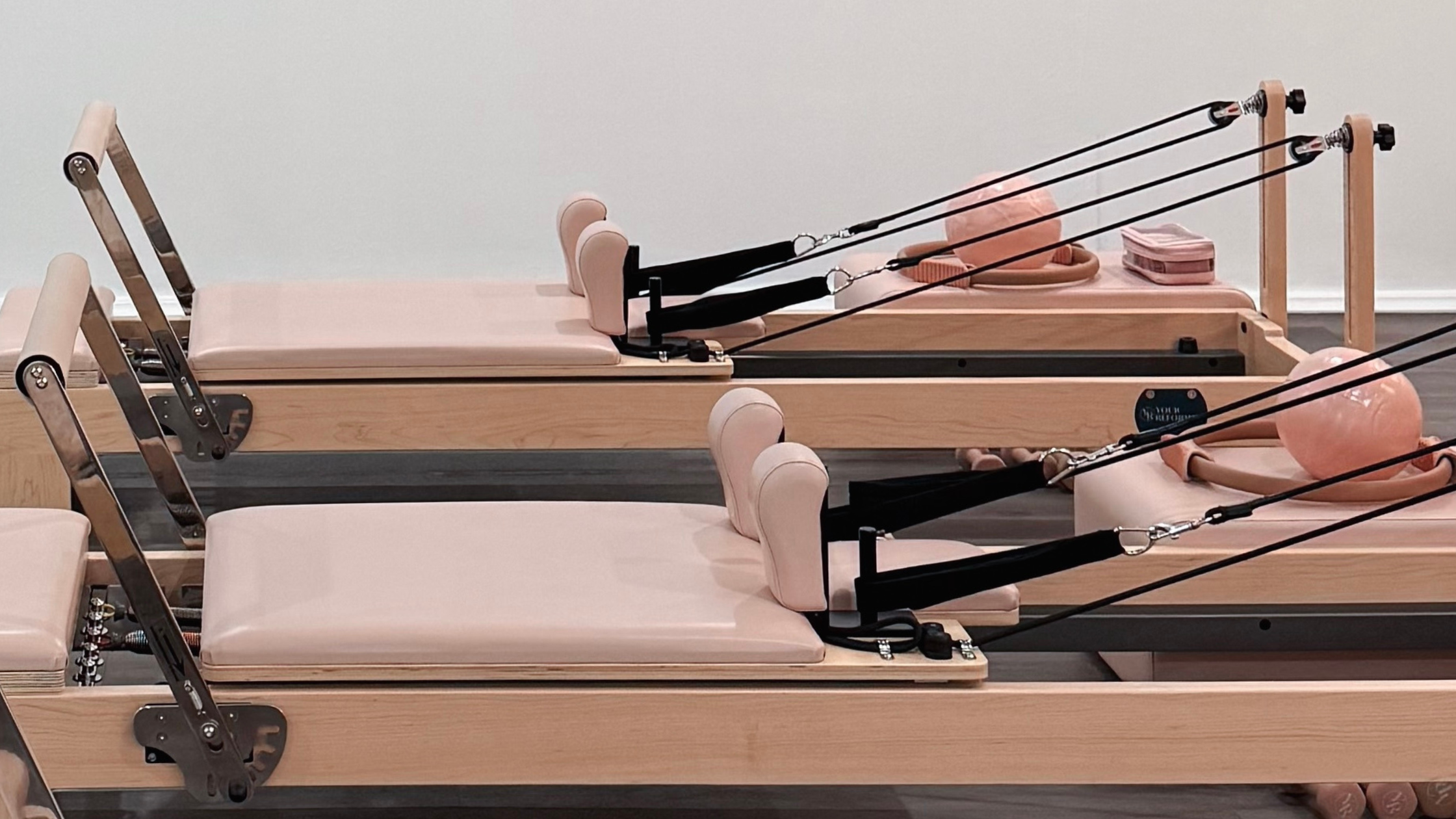
You didn’t imagine it - Pilates doesn’t just work your muscles, it rewires your stress.
That calm, clear, why do I feel so chill feeling after class? It’s not just endorphins. It’s your nervous system finally standing down. In a world where stress is basically a personality trait, Pilates helps lower cortisol and guide your body out of fight or flight and back into balance.
Let’s talk about what’s actually happening inside your body when you step onto the Reformer - and why it matters way more than burning calories.
First: What is cortisol, anyway?
Cortisol is your body’s main stress hormone. It’s not bad - you actually need it.
Cortisol helps you:
Wake up in the morning
Respond to danger
Focus under pressure
The problem isn’t cortisol itself - it’s chronically elevated cortisol, which is very common in modern life.
When stress sticks around too long, high cortisol levels can lead to:
Feeling constantly “wired” or anxious
Trouble sleeping
Increased muscle tension
Fatigue, even when you’re resting
Difficulty recovering from workouts
Sound familiar?
Your body doesn’t know the difference between a real threat and a packed calendar, constant notifications, or mental overload. To your nervous system, stress is stress.
Fight or flight vs rest and digest
Your nervous system has two main modes:
Sympathetic (fight or flight)
Parasympathetic (rest and digest)
When you’re stressed, your body lives in fight or flight. Heart rate rises, muscles stay tense, breathing becomes shallow, and cortisol stays elevated.
To feel calm, strong, and regulated, your body needs time in rest and digest - and that’s where Pilates comes in.
Why Pilates is different to other workouts
Many high intensity workouts keep your body in fight or flight. They’re stimulating, adrenaline-driven, and often involve holding your breath or pushing through exhaustion.
Pilates is different.
Pilates combines:
Controlled, intentional movement
Deep, steady breathing
Mind body awareness
Slow, precise transitions
This combination sends a powerful message to your nervous system: you’re safe.
Instead of spiking cortisol, Pilates helps regulate it - especially when practised consistently.
What’s actually happening during a Pilates class
When you’re moving through a Pilates class, several things are happening at once:
1. Your breathing calms your nervous system
Pilates encourages diaphragmatic breathing - slow, deep breaths that stimulate the vagus nerve. This activates the parasympathetic nervous system and helps lower cortisol levels.
2. Your muscles work without overwhelm
Reformer Pilates builds strength through resistance and control, not impact or chaos. Your body gets stronger without feeling threatened - which supports recovery instead of stress.
3. Your focus pulls you into the present
Coordinating breath with movement requires attention. This gentle focus pulls you out of mental overdrive and into the moment - similar to the effects of mindfulness or meditation.
4. Your body relearns safety in movement
For many people, exercise has become associated with punishment or pressure. Pilates reframes movement as supportive, controlled, and empowering - which reduces stress responses over time.
Why you feel calmer after class
That post class calm isn’t just physical - it’s neurological.
After Pilates, many people experience:
Reduced muscle tension
Slower heart rate
Deeper breathing
Improved mood
Better sleep later that night
This is your nervous system shifting gears - from survival mode to regulation.
And when cortisol levels are better managed, your body can recover, adapt, and actually benefit from the work you’re doing.
This is why “more” isn’t always better
Here’s where it gets important.
If your life is already stressful, piling intense workouts on top can keep cortisol elevated - even if you’re exercising “for your health.”
Pilates works best when paired with:
Consistency (showing up regularly)
Variety (mixing strong sessions with slower ones)
Recovery (allowing your body to reset)
That’s why restorative options like Release & Restore and Sound Healing are just as important as strong Reformer sessions. They help your nervous system integrate the work - not just survive it.
The real glow up: regulated, not exhausted
Yes, Pilates will strengthen your core, glutes, arms, and posture.
But one of its biggest benefits?
Helping your body feel safe enough to relax.
Lower stress = better recovery.
Better recovery = better results.
Better results = feeling stronger, calmer, and more grounded - on and off the Reformer.
In summary:
Pilates isn’t just changing how you move - it’s changing how your body handles stress.
By lowering cortisol, regulating your nervous system, and creating space for recovery, Pilates supports both physical strength and emotional resilience.
So if you’ve been leaving class feeling calmer, clearer, and more like yourself - that’s not a coincidence. That’s your nervous system saying thank you.
